
At Montessori schools, we believe in nurturing the whole child, and that includes the heart just as much as the mind. Our classrooms are peaceful, purposeful, and filled with joyful opportunities to connect, reflect, and grow. Now more than ever, Montessori educators are leaning into our deep roots of peace education and compassion, intentionally cultivating environments that reflect the diversity of our world while honoring each child’s individuality.
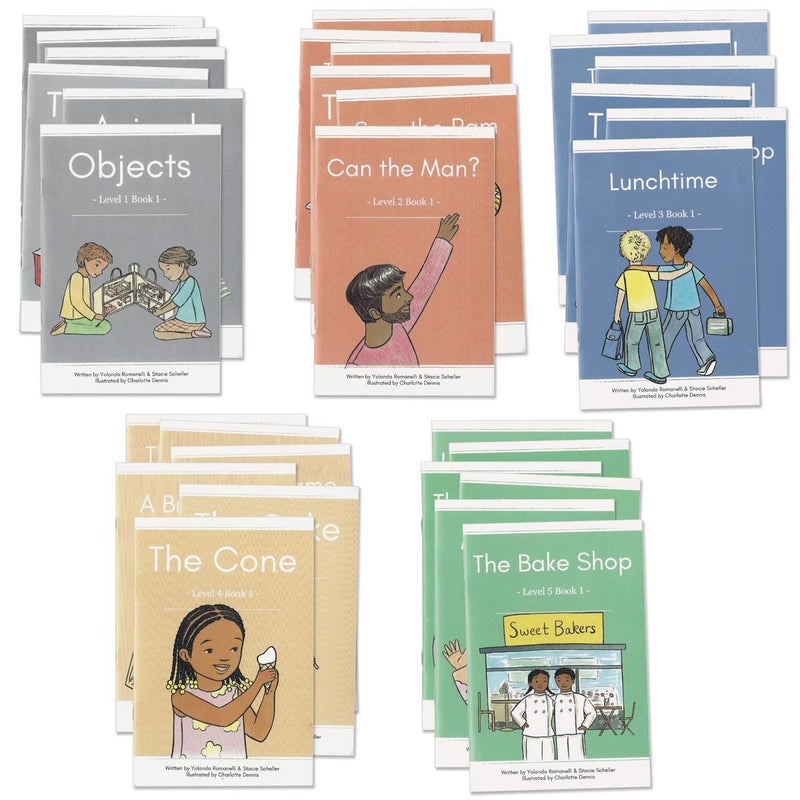
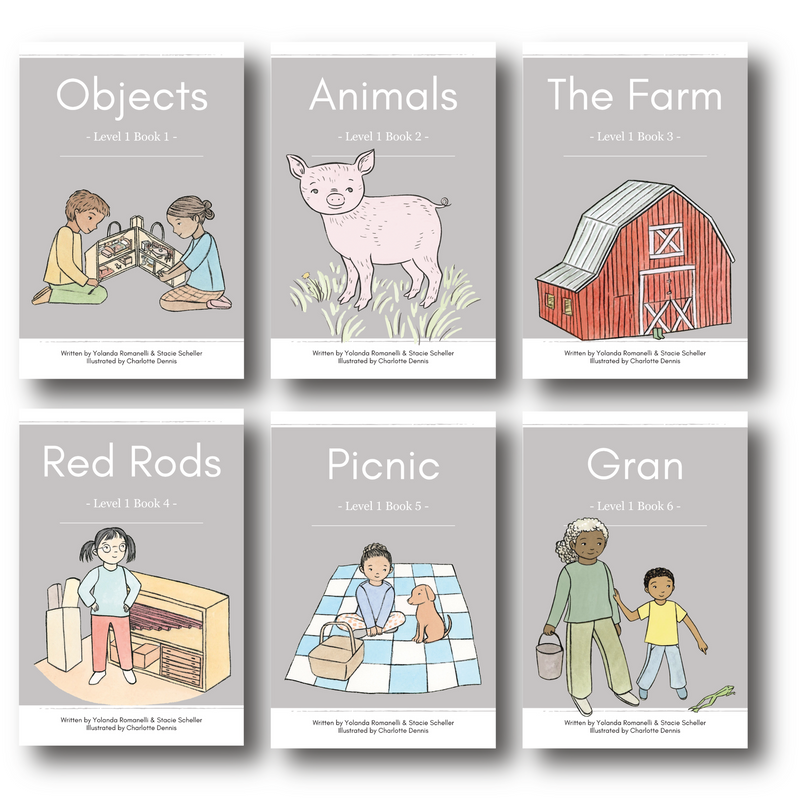
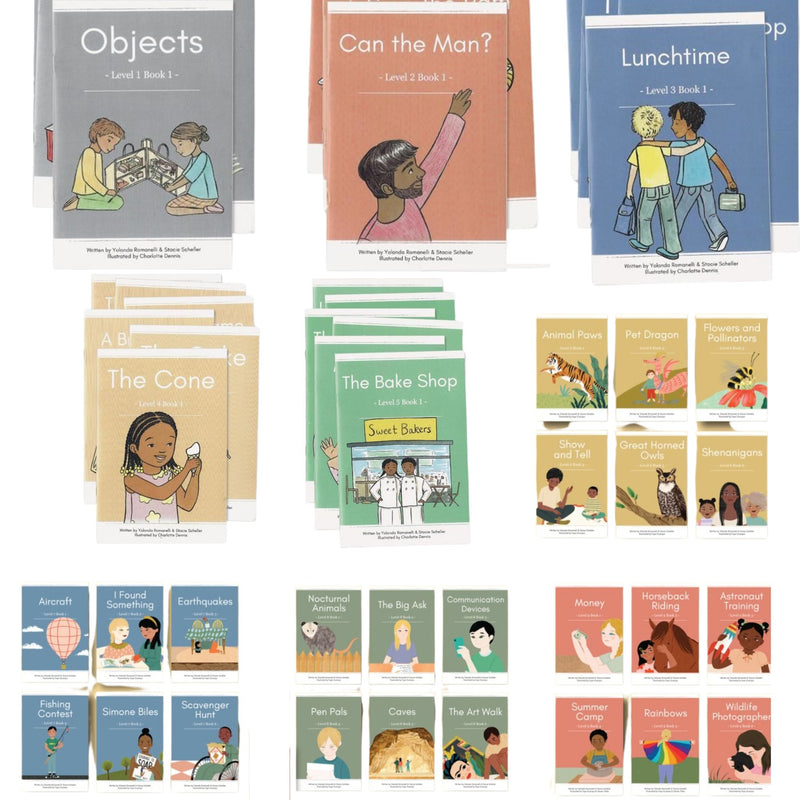
Montessori classrooms are designed to help children build a strong sense of self and community. Through real-life social interactions, conflict resolution, and plenty of time to reflect, children learn how to name their feelings, notice the feelings of others, and respond with kindness. Social-emotional learning isn't a separate subject; it’s woven into everything we do. From the peace table to circle time, children practice listening deeply, expressing themselves clearly, and working together to solve problems. These are the essential building blocks of empathy, inclusion, and emotional resilience. Our social-emotional materials provide children with the language, tools, and experiences they need to recognize their feelings, understand others, and build peaceful, respectful relationships. When children see themselves reflected in the classroom, they feel a sense of belonging. When they see people who are different from them, they develop curiosity, respect, and appreciation for others. Representation matters, which is why it is important to intentionally select books and materials that reflect real life. There are many stories and images that include a wide range of cultures, languages, skin tones, family structures, and abilities.
Download our FREE Affirmation Lesson Plan this goes with our "I Am Me Puzzle"
 Montessori educators intentionally model empathy, grace, and calm problem-solving. Through ongoing professional development in anti-bias education and culturally responsive teaching, we continue growing alongside the children. You can incorporate an anti-bias curriculum that helps children explore big ideas like fairness, justice, identity, and kindness in age-appropriate ways. Children are encouraged to ask questions, think critically, and speak up when something doesn’t feel right.
Inclusion is a value and a daily practice. It shows up in how we greet each child by name, how we welcome all kinds of families, and how we make space for every child to express themselves fully. When children are taught to notice and honor differences, to be curious instead of judgmental, and to care for one another, they become the kind of people who build bridges instead of barriers. This is the heart of Montessori education: a commitment to educating not just children’s minds, but also their hearts.