
Dear Montessori n’ Such Community,
Learning fractions in early childhood doesn’t have to mean worksheets or complicated math talk. In fact, for young children, fractions are best introduced in the most natural way possible: through hands-on, everyday experiences that feel playful and satisfying. Before children ever hear the word fraction, they already understand the idea. They split a banana with a friend, notice that one cookie is cut into two pieces, or pour water until a cup is half full. These real-life moments help children internalize that a whole can be divided into equal parts. In Montessori environments, this understanding comes first. The language comes later.
Montessori materials make fractions concrete. Circles divided into halves, thirds, and quarters can be handled, compared, and recombined. Children feel the difference between two equal halves and four smaller pieces. This hands-on work allows them to see that two halves make a whole or that four quarters fit perfectly together. There is no rush to memorize terms. Instead, children explore until the concept makes sense in their hands.
Because fraction work is self-correcting, children can check their own understanding. If the pieces don’t fit, they know something needs adjusting. This builds confidence and encourages problem-solving without pressure. Fraction work also strengthens fine motor skills, concentration, and visual discrimination, all while laying the groundwork for future math. Just like all Montessori learning, fraction concepts grow gradually. Children begin with halves and wholes, then move on to thirds, fourths, and beyond when they are ready. This slow progression keeps learning joyful and stress-free. By the time fractions appear on paper later in school, they already feel familiar and friendly.
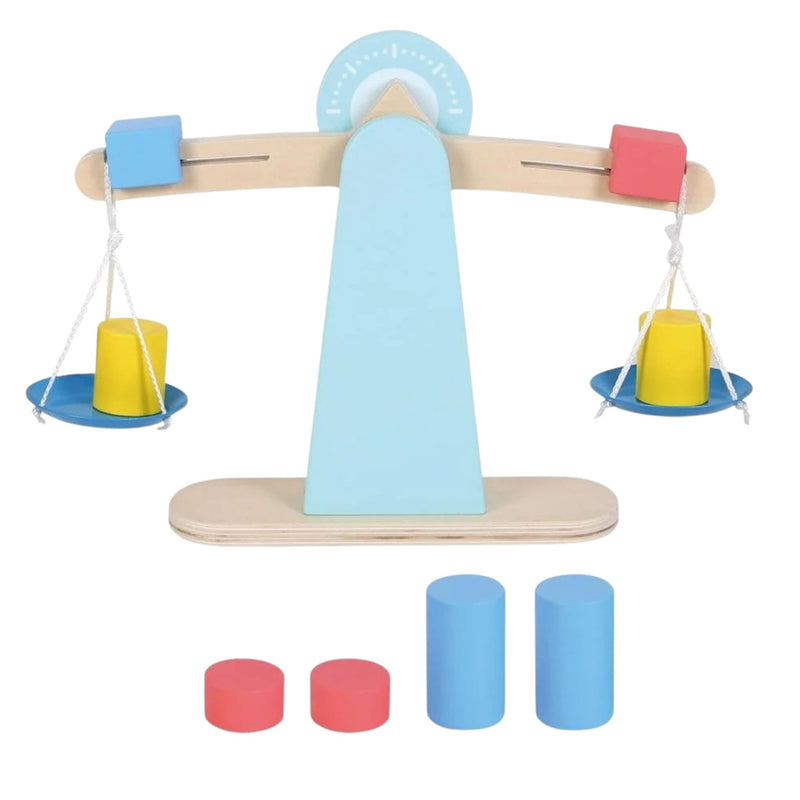
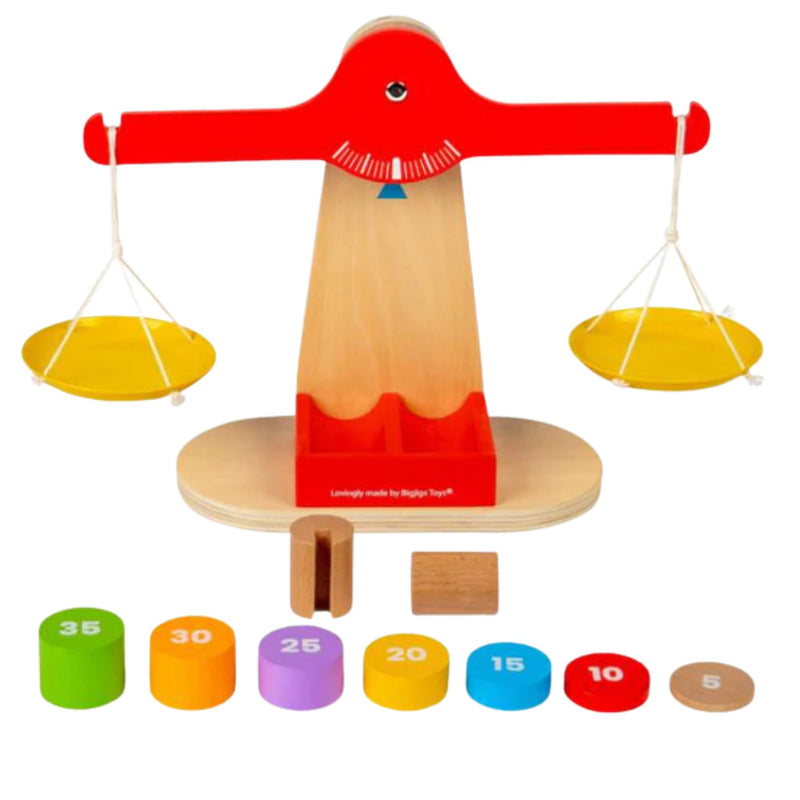
Below you can find a selection of our math materials, which help children move from hands-on exploration to clear understanding! When fractions are introduced through play, sharing, and hands-on materials, they become less about numbers and more about discovery. Children learn that math is something they can touch, understand, and enjoy. And that early sense of success often turns into a lifelong confidence in math.
Download the FREE fraction cards
Shop our mathematics collection
~ The Montessori n' Such Team